
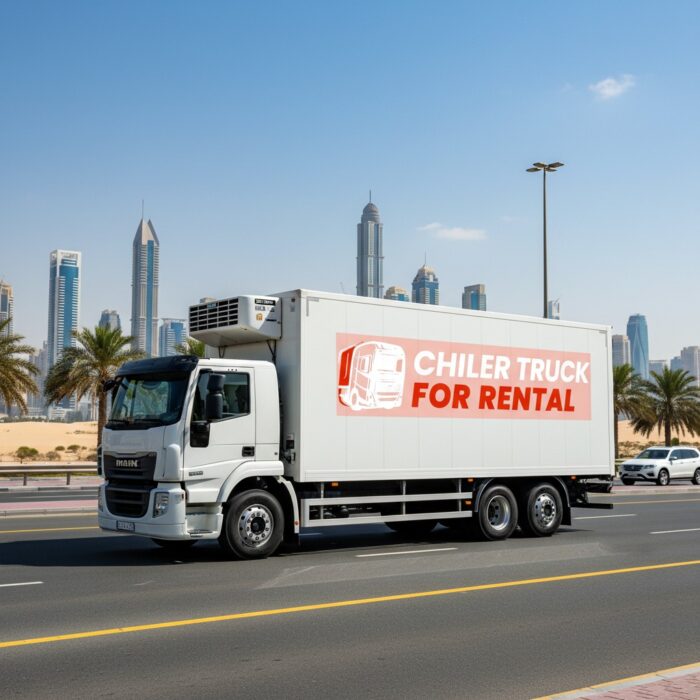
Best Cold Chain Logistics Practices in the UAE: Your Guide to Keeping Cool Under Pressure
Imagine this: you’re a restaurant owner in Dubai receiving a shipment of fresh seafood. You’ve paid a premium for the highest quality. But when the truck doors open, instead of the crisp, briny smell of the ocean, you’re met with an off odor. The ice has melted, the temperature has crept up, and your profit—along with your menu specials—is literally spoiling before your eyes.
This scenario is the nightmare of any business that relies on cold chain Practices. In the UAE, where summer temperatures can soar above 45°C (113°F), maintaining an unbroken cold chain isn’t just a best practice—it’s a non-negotiable requirement for product safety, quality, and profitability.
Whether you’re in food and beverage, pharmaceuticals, hospitality, or retail, a broken cold chain means wasted inventory, financial loss, and damaged reputation. But with the right knowledge and partners, it’s a challenge you can confidently master.
This guide breaks down the best cold chain logistics practices specifically for the UAE environment. We’ll walk you through simple, actionable steps to protect your temperature-sensitive goods from supplier to customer.
Table of Contents
What is the Cold Chain Practices & Why Is It Critical in the UAE?
The cold chain is the seamless system of refrigerated storage, transport, and handling that keeps perishable products within a safe, specific temperature range from the point of origin to the final destination. Think of it as a continuous, temperature-controlled relay race where the “baton” (your product) must never be dropped.
In the UAE’s extreme climate, the margin for error is virtually zero. A few minutes in the wrong conditions can:
- Accelerate bacterial growth in food, causing spoilage and health risks.
- Render pharmaceuticals ineffective or dangerous.
- Cause frozen goods to partially thaw and re-freeze, destroying texture and quality (a process called “freezer burn”).
- Lead to direct financial loss and erode customer trust.
A robust cold chain is your most powerful insurance policy against these risks.
The 5 Pillars of Unbreakable Cold Chain Logistics in the UAE
Building a reliable cold chain rests on five key pillars. Neglecting any one of them creates a weak link that can break the entire chain.
Pillar 1: The Right Temperature from the Start
The chain must be cold before your product enters it.
- Pre-Cooling is Non-Negotiable: Your storage facility, refrigerated transport vehicle, and loading dock area should be pre-cooled to the target temperature before loading begins. Loading warm goods into a cold truck forces the unit to work overtime and may never properly cool the core of the cargo.
- Know Your Numbers: “Keep cold” isn’t specific enough. Is it +2°C for fresh dairy, -18°C for frozen meat, or +5°C for certain vaccines? Define and document the exact temperature range for every product you handle.
Pillar 2: Choosing & Maintaining Specialized Equipment
You cannot use a standard truck for a cold chain job. The equipment is your first line of defense against the desert heat.
- Invest in Quality Refrigerated Transport: Partner with a provider (like Chiller Truck Rental) that offers modern, well-maintained vehicles with powerful refrigeration units capable of rapid “pull-down” and stable holding.
- Insulation is Key: Check the insulation quality of trucks and storage units. Thick, high-density foam in walls, floors, and doors is essential.
- Demand Temperature Monitoring: Real-time GPS and temperature monitoring systems are no longer a luxury. They allow you to track location and temperature 24/7, receiving alerts if the environment falls outside the safe range. This data is also crucial for compliance audits.
Pillar 3: Mastering the Loading & Unloading Process
This is the most vulnerable phase, where cold air escapes and ambient heat rushes in.
- The “First In, Last Out” Rule: Organize your load so that the last items to be loaded are the first to be unloaded. This minimizes the time doors are open and reduces handling of other products.
- Ensure Proper Airflow: Never block the air chutes or vents inside the truck. Cargo should be stacked with space for cold air to circulate evenly around all items, preventing dangerous “hot spots.”
- Create a “Cold Tunnel”: If possible, load and unload in a shaded, temperature-controlled dock. If not, do it as quickly and efficiently as possible. Have staff ready and equipment (like pallet jacks) prepared to minimize door-open time.
Pillar 4: Training & Standard Operating Procedures (SOPs)
Your technology is only as good as the people using it.
- Train Everyone: From warehouse staff to drivers, everyone touching the cold chain must understand its importance. Train them on SOPs for pre-cooling, loading, temperature checks, and emergency procedures.
- Empower Your Drivers: Drivers are guardians of the chain. They must know how to operate the refrigeration unit, perform pre-trip inspections, and understand what to do if an alarm sounds (e.g., who to call immediately).
- Document Everything: Create clear checklists for every stage—pre-inspection, temperature logs at loading/unloading, vehicle conditions. Documentation provides a record for quality control and problem-solving.
Pillar 5: Planning for the Unexpected (Contingency Planning)
Even the best plans can face obstacles. A proactive approach separates good operations from great ones.
- Route Planning: Plan delivery routes to minimize stops and avoid peak traffic times where the truck might sit idling in the heat. Use reliable mapping software.
- Backup Power: For stationary cold storage, ensure backup generators are in place and tested regularly to handle power outages.
- Partner with Reliable Providers: Your refrigerated transport partner should have a clear 24/7 emergency support plan. What happens if a truck breaks down? A reputable company will have a rapid replacement protocol to safeguard your cargo.
Technology: The Modern Cold Chain’s Best Friend
Leveraging technology transforms cold chain management from reactive to proactive.
- IoT Sensors: Small wireless sensors placed within pallets provide granular temperature data, not just from the truck’s air, but from inside the cargo itself.
- Blockchain for Traceability: Some advanced chains use blockchain to create an immutable, transparent record of a product’s journey and temperature history, ideal for premium goods and pharmaceuticals.
- Integrated Management Software: Platforms that combine order management, warehouse systems, and transport tracking give you a single pane of glass to view your entire cold chain.
The High Cost of a Broken Chain
Ignoring best practices has direct consequences:
- Financial Loss: The direct cost of the spoiled product.
- Operational Disruption: Delays, out-of-stock items, and frantic scrambling for replacements.
- Compliance Failure: Fines and legal issues, especially in regulated sectors like pharmaceuticals.
- Brand Damage: One incident of foodborne illness or ineffective medicine can destroy trust built over years.
FAQs: Cold Chain Logistics in the UAE
Q1: How often should I calibrate the temperature monitors on my refrigerated truck?
A: Calibration should be performed at least annually, or according to the manufacturer’s guidelines. However, a visual check and verification against a certified handheld thermometer should be part of every pre-trip inspection.
Q2: Can I use dry ice for refrigerated transport instead of a powered truck?
A: Dry ice can be useful for very specific, short-term situations or as a supplement. However, for reliable, controlled, and documented cold chain logistics in the UAE, a dedicated refrigerated truck with an active cooling system is the only safe and consistent choice.
Q3: What’s the biggest mistake businesses make with their cold chain?
A: Complacency. Assuming that because nothing has gone wrong yet, the system is fine. The UAE heat is relentless, and without rigorous procedures, constant verification, and quality equipment, failure is a matter of “when,” not “if.”
Q4: Is it more expensive to implement these best practices?
A: There is an upfront investment in quality equipment, technology, and training. However, this cost is dwarfed by the potential losses from a single major failure. It’s an investment in risk mitigation and brand protection that pays for itself.
Q5: How can I audit my cold chain logistics provider?
A: Ask direct questions: What is your pre-cooling procedure? Can I see your maintenance logs? What is your emergency breakdown protocol? Do your trucks have real-time monitoring? A trustworthy partner will be transparent and proud to share their processes.
Your Chain is Only as Strong as Your Weakest Link
In the demanding environment of the UAE, excellence in cold chain logistics is what separates industry leaders from the rest. It’s a complex dance of science, planning, and flawless execution. By focusing on the five pillars—Temperature, Equipment, Process, People, and Planning—you build a system that doesn’t just react to problems, but prevents them.
You don’t have to build this resilience alone. The right partners bring expertise, reliability, and technology to the table.
Partner with Chiller Truck Rental for a Chain You Can Trust.
We are more than a refrigerated transport company. We are cold chain specialists who understand the unique pressures of the UAE market. From our meticulously maintained fleet with real-time monitoring to our trained drivers and unwavering customer support, we are committed to being the strongest link in your logistics chain.
Don’t leave your valuable cargo to chance. Let’s strengthen your cold chain together. Contact our logistics experts today for a consultation.
📞 Call/WhatsApp: (+971) 559729888
📧 Email: Essatransport2022@gmail.com
[Button: AUDIT YOUR COLD CHAIN WITH AN EXPERT]
Build a cold chain that stands up to the desert heat. Protect your products, your customers, and your reputation.