
What a Dubai Municipality Food Safety Audit Actually Checks: A Cold-Chain Checklist
A food safety audit’s cold-chain component usually comes down to one question: can you prove the temperature was controlled from source to delivery? Here’s what businesses typically need ready to answer it.
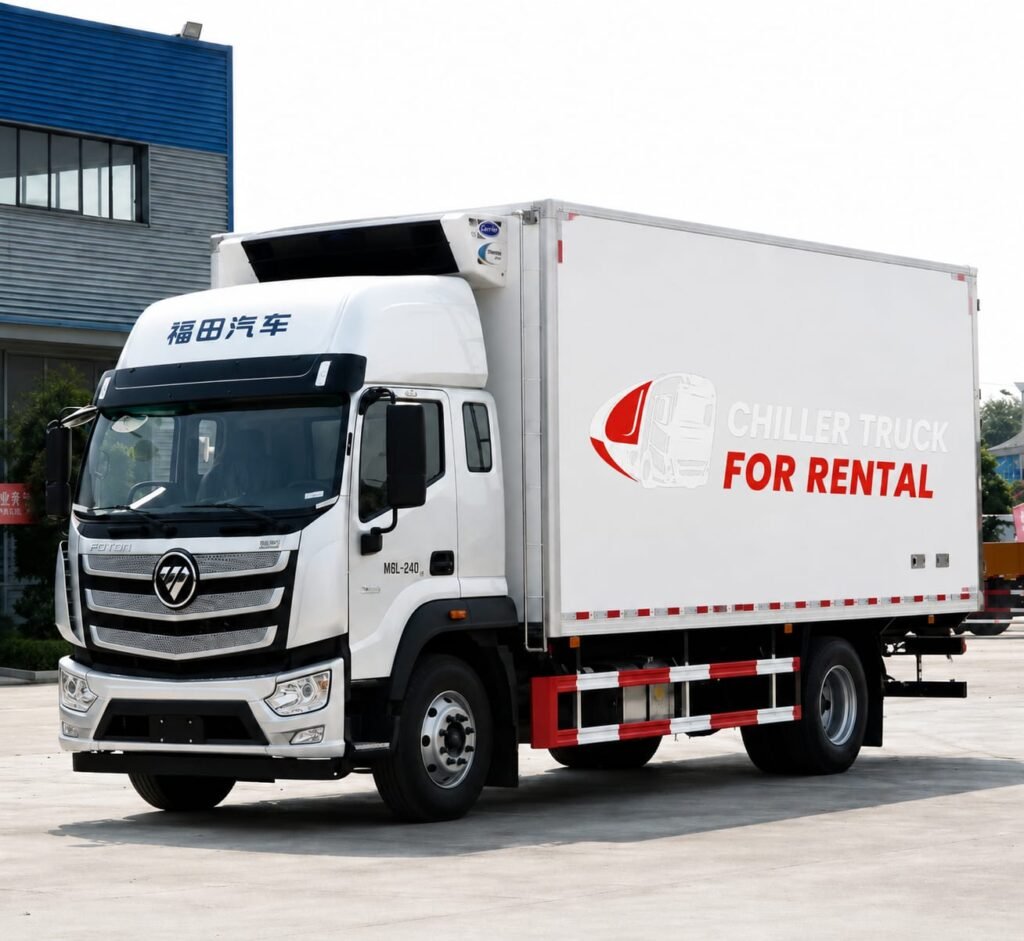
Food businesses in Dubai — restaurants, retailers, distributors, caterers — are generally expected to demonstrate that temperature-sensitive stock stayed within a safe range throughout transport, not just storage. This page walks through what that typically means in practice for the transport portion of a food safety audit.
What Auditors Commonly Look For in Cold-Chain Transport
- Evidence of temperature control during transport — a log, printout, or digital record showing the vehicle held the required range for the trip
- Vehicle hygiene standards — clean, sanitised interiors appropriate for food-grade cargo, particularly for vehicles that also carry non-food loads at other times
- Documentation for any third-party transport provider — if you rent rather than own your delivery vehicles, evidence that the provider itself meets HACCP or equivalent standards
- A process for handling temperature excursions — what happens if a log shows the vehicle went outside range, and what action was taken with the affected stock
- Consistency between your documented process and what actually happens — auditors often check that the paperwork matches real practice, not just that the paperwork exists

A Practical Pre-Audit Checklist
1. Temperature logs on file
Keep digital or printed temperature records for cold-chain deliveries, organised so you can retrieve a specific trip's data quickly if asked.
2. Transport provider certification
If you rent vehicles, keep your provider's HACCP or ISO 22000 certificate on file alongside your own documentation.
3. Excursion response process, written down
A continuous temperature record for the length of the trip, exportable for your own food-safety or DHA compliance file.
4. Staff familiarity with the process
Whoever receives deliveries should know what to check and where the temperature record for that trip is kept — an auditor may ask them directly, not just review paperwork.
Where Transport Providers Fit In
If you rent chiller vans or trucks rather than running your own fleet, your audit exposure depends partly on your provider’s own compliance. Ask any provider for their HACCP or ISO 22000 certification before you rely on them for deliveries that feed into your own food safety file, and keep a copy of it alongside your delivery records — not something to chase down after an audit is already scheduled


Frequently Asked Questions
Is this checklist an official Dubai Municipality document?
No — this is a practical checklist based on common cold-chain transport requirements we see food businesses prepare for. Always confirm current, official requirements directly with Dubai Municipality’s Food Safety Department or your compliance consultant before an audit.
Do I need my transport provider's certificates, or just my own?
Both, typically. Auditors commonly expect to see your own HACCP documentation as well as evidence that any third-party transport provider you use is also compliant — ask your provider for their certification and keep it on file.
How long should I keep temperature logs from deliveries?
Retention periods vary by business type and product category — confirm your specific requirement with Dubai Municipality or a compliance advisor rather than assuming a generic timeframe applies.
What happens if a delivery vehicle's temperature log shows an excursion?
Document it, including what happened and what action was taken (rejecting the batch, disposing of affected stock, etc.). An audit is generally more concerned with whether you have a process for handling excursions than with the fact that one occurred.
Does renting a vehicle instead of owning one change what I need to document?
Not fundamentally — you still need evidence the cold chain was maintained during transport, whether the vehicle is owned or rented. Keep the rental provider’s compliance certificate and the trip’s temperature log as part of your own audit file.