
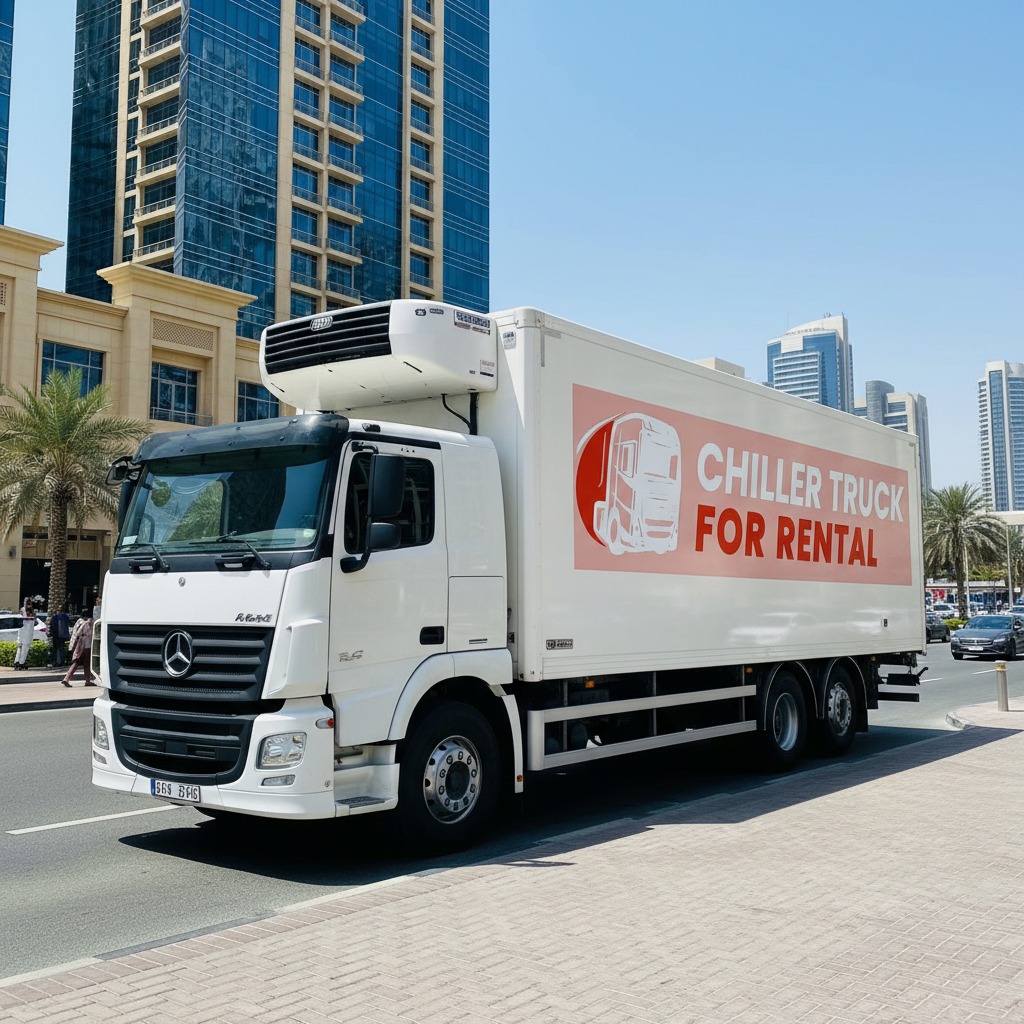
Temperature Requirements for Chiller & Freezer Transport
Temperature is not a suggestion in cold-chain logistics it is a hard regulatory and scientific boundary. Transport a batch of fresh dairy 3°C above its required range and you may be looking at bacterial growth, product rejection, or a Dubai Municipality fine. Push a frozen seafood consignment 5°C above its mandated -18°C and the cellular damage begins within the hour. Deliver pharmaceutical products outside their permitted 2°C to 8°C window and you may have rendered an entire batch of vaccines clinically unsafe.
Yet temperature requirements are one of the most misunderstood aspects of cold transport in the UAE. Many businesses know they need a chiller van or a freezer van but fewer can state with confidence exactly what temperature that vehicle must maintain for their specific cargo, why those boundaries exist, and how they are enforced by UAE regulators.
This guide provides the accurate, technical answer to all of those questions. Whether you are selecting a chiller van, a freezer van, or a larger refrigerated truck, understanding the precise temperature requirements for your cargo is the foundation of safe, compliant cold-chain transport.
Why Temperature Ranges in Cold Transport Are Not Arbitrary
The temperature ranges that govern chiller van, freezer van, and refrigerated truck operation are not bureaucratic choices they are rooted in food science, pharmaceutical biology, and microbiology.
Most pathogenic bacteria that cause foodborne illness including Salmonella, Listeria monocytogenes, and E. coli multiply rapidly between 8°C and 63°C, the “danger zone.” Keeping food below 8°C slows bacterial multiplication significantly. Keeping it below 5°C slows it further. Keeping it below 0°C stops it almost entirely.
For frozen goods, -18°C is the internationally accepted standard because at this temperature enzyme activity is halted, ice crystals remain stable, and pathogenic organisms cannot multiply. It is the temperature at which frozen goods stay commercially viable and microbiologically safe for the longest possible period.
For pharmaceutical products, the precision requirement is even higher. Protein-based medicines such as vaccines and biologicals are thermally sensitive in ways not always visually detectable a compromised vaccine may look normal but have lost clinical efficacy, making accurate cold-chain transport a matter of patient safety.
Chiller Van Temperature Requirements
A chiller van operates in the fresh-cold zone maintaining internal temperatures between 0°C and +5°C throughout the entire delivery journey. This range slows bacterial growth on fresh perishables without causing the cellular damage that freezing produces.
The following cargo categories require chiller van transport at 0°C to +5°C in the UAE:
- Fresh dairy products fresh milk, cream, butter, yoghurt, and soft cheeses must be maintained between 1°C and 4°C to prevent bacterial spoilage while preserving fat structure and flavour profile. Dubai Municipality’s food safety guidelines specify that dairy products must not be transported above 5°C.
- Fresh and chilled meat and poultry raw beef, lamb, chicken, and pork cuts are transported at 0°C to +4°C. At this range, the surface microbial load grows slowly enough to maintain a commercially safe shelf life from production to retail. Above 5°C, spoilage and pathogenic bacteria multiply at rates that rapidly reduce shelf life.
- Bakery products with fresh fillings cream cakes, custard-filled pastries, and fresh sandwiches with protein fillings require chiller van transport between 1°C and 5°C to prevent cream spoilage and filling degradation.
- Fresh fruits and vegetables most chilled produce requires transport between 2°C and 8°C depending on variety. Leafy greens and berries require the colder end; harder produce like carrots and apples can tolerate slightly higher temperatures within the chiller window.
- Cut flowers and plants floral arrangements and cut flowers are typically transported between 2°C and 8°C. Below 0°C, ice crystal formation destroys petal cell walls. Above 8°C, wilting and decay accelerate rapidly.
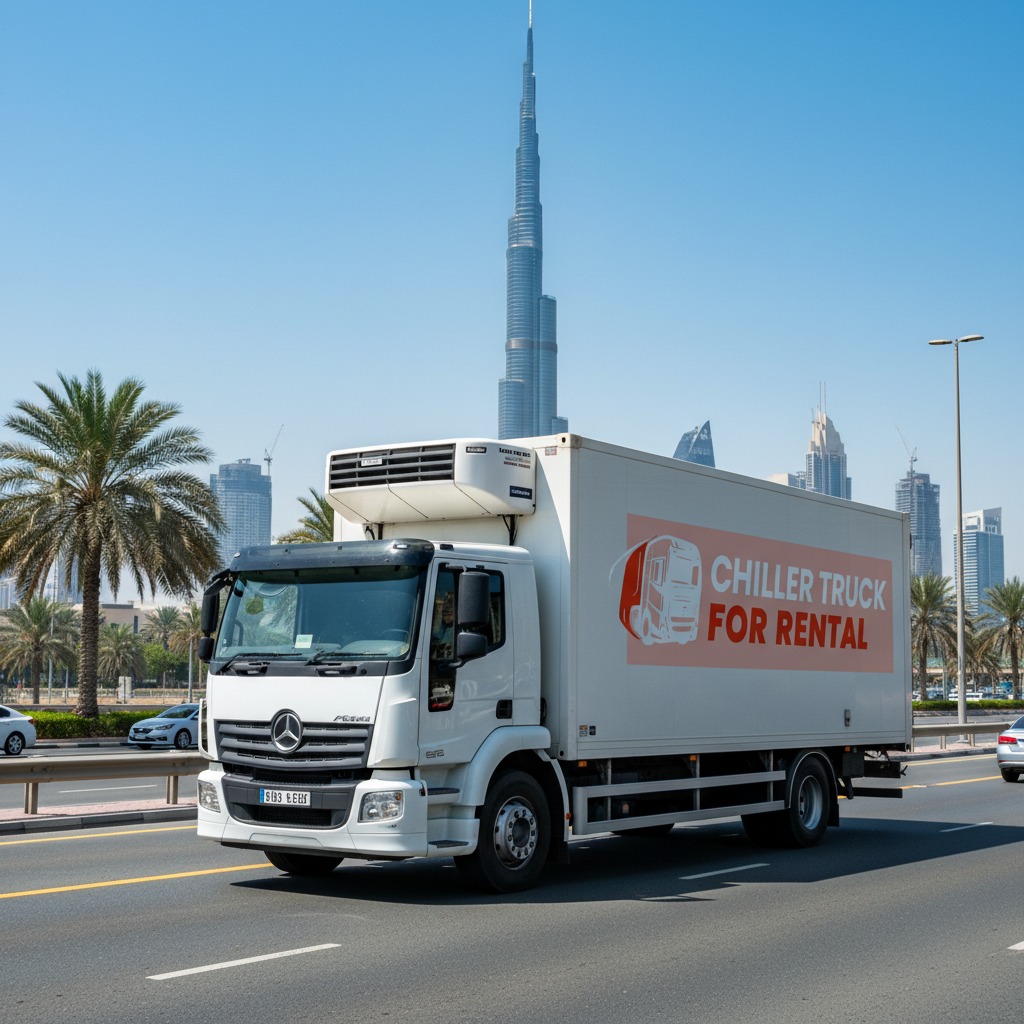
Pharmaceutical Chiller Range: A Higher-Precision Zone
For pharmaceutical cold-chain transport, the standard chiller van range of 0°C to +5°C is sometimes appropriate but many pharmaceutical products require a more precisely defined range of +2°C to +8°C. This is known in the pharmaceutical industry as the “fridge” or “cold” storage category.
Products requiring +2°C to +8°C transport in the UAE include most vaccines (including COVID-19 vaccines, flu vaccines, and childhood immunisation products), insulin and many biological medicines, certain blood products, and a range of diagnostic reagents and laboratory materials.
The key difference between food chiller transport and pharmaceutical cold-chain transport is not just the temperature range it is the precision, documentation, and accountability required. A chiller van used for pharmaceutical deliveries must have a calibrated, UKAS-traceable temperature monitoring device, and the record must accompany the shipment as compliance documentation. Any excursion above 8°C even brief, during a door-open loading event must be formally assessed and either accepted with written justification or rejected.
Freezer Van Temperature Requirements
A freezer van operates at a fundamentally different temperature level from a chiller van. The internationally mandated standard for frozen food transport is -18°C or below, and this is the temperature at which all professional freezer van operations in the UAE are required to run under Dubai Municipality food safety regulations.
The following cargo categories require freezer van transport at -18°C in the UAE:
Frozen meat and poultry
beef, lamb, chicken, and processed meat must remain frozen throughout transport to prevent cellular damage and bacterial activation on thawing. Once frozen meat rises above -12°C, the risk of uneven thawing creates warm zones where bacteria can begin to multiply before the outer surface shows any visible sign of thaw.
Frozen seafood
prawns, fish fillets, squid, and shellfish are among the most temperature-sensitive products in the frozen category. Partial thawing accelerates oxidation and causes irreversible texture damage. Consistent -18°C throughout freezer van transport is non-negotiable for this cargo.
Ice cream and frozen desserts
the texture and quality of ice cream is directly dependent on maintaining a stable crystal structure within the frozen matrix. Any partial thaw even rising from -18°C to -10°C during transit causes large ice crystal formation on refreezing that permanently damages the product’s texture and mouthfeel.
Frozen ready meals and processed foods
UAE supermarket shelves receive daily freezer van deliveries of frozen ready meals, pastries, and convenience products. The product labels specify storage at -18°C and the transport chain must maintain this from cold store to delivery dock.
Certain pharmaceutical specimens
blood plasma, frozen biological samples, and some research materials require freezer van transport at -18°C to -25°C or even below (ultra-cold), depending on the specific product and its stability profile.
Refrigerated Truck Temperature Requirements
A refrigerated truck covers the same temperature bands as a chiller van or freezer van the distinction is scale, not temperature capability. Operating in chiller mode, a refrigerated truck maintains 0°C to +5°C for fresh food or +2°C to +8°C for pharmaceutical cargo. In freezer mode, it maintains -18°C or below for frozen goods.
The advantage of the refrigerated truck format is capacity and range. Where a chiller van or freezer van handles urban deliveries up to 1.5 tonnes, a refrigerated truck carries 3 to 10 tonnes across single or multi-stop routes including intercity UAE routes between Dubai, Abu Dhabi, Sharjah, and beyond.
For multi-temperature operations carrying both chilled and frozen goods simultaneously, specialised refrigerated trucks with divided cargo compartments maintain both temperature zones in a single vehicle on a single route a significant operational efficiency for distributors handling mixed product lines.
UAE Regulatory Standards for Cold Transport Temperature Compliance
In the UAE, cold transport temperature compliance is enforced through several overlapping frameworks:
- Dubai Municipality requires that food transport vehicles maintain the required temperature for the food category throughout transit and provide temperature documentation on request. Vehicles carrying chilled food above 8°C or frozen food above -12°C can be stopped and shipments rejected.
- HACCP requires certified cold transport operators to identify temperature as a critical control point and implement documented monitoring and corrective action procedures.
- ISO 22000:2018 governs the food safety management system of the transport operator, requiring systematic temperature control, vehicle maintenance, and record-keeping.
- WHO GDP governs pharmaceutical cold-chain transport, requiring validated equipment, calibrated monitoring devices, qualified personnel oversight, and complete traceability documentation.
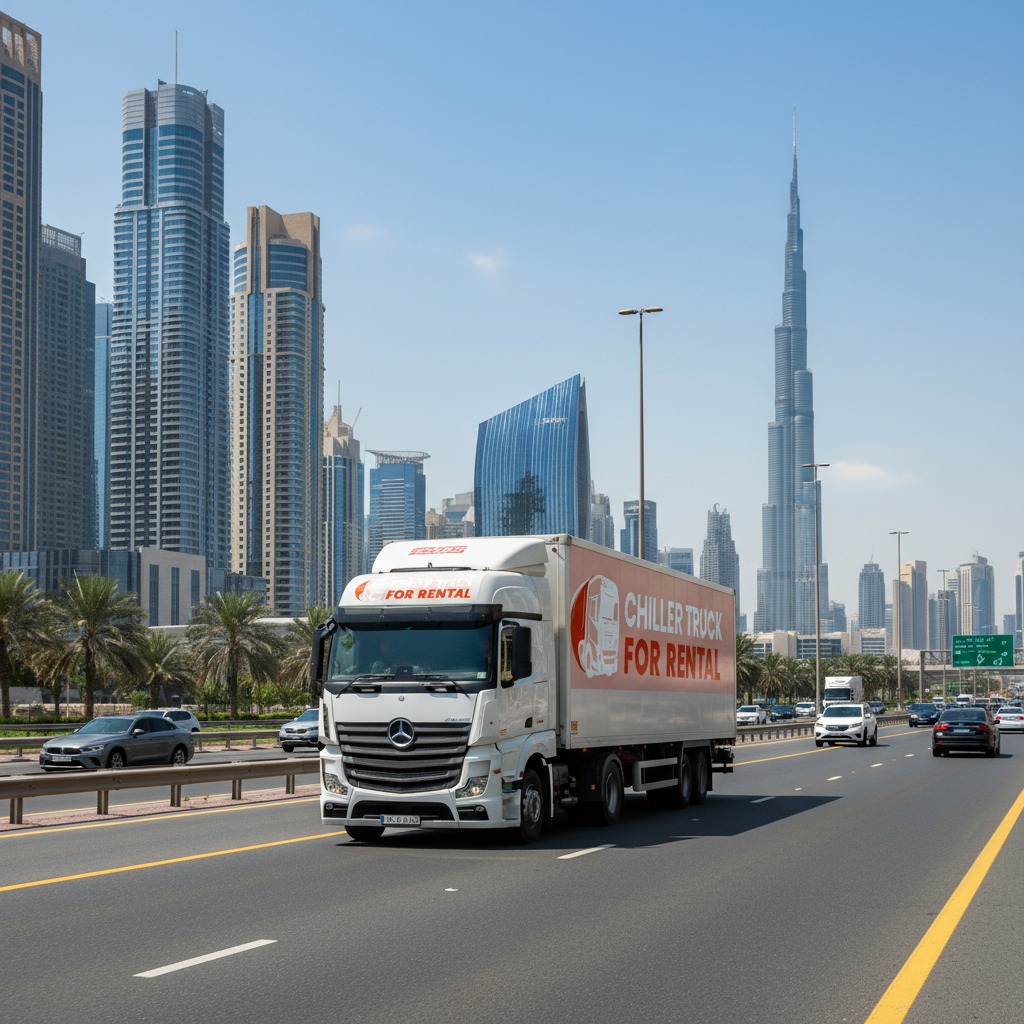
Certified Cold Transport Across UAE Temperature Zones
At Chiller Truck Rental, our fleet of chiller vans, freezer vans, and refrigerated trucks operates across all UAE temperature zones 0°C to +5°C, +2°C to +8°C, and -18°C or below with HACCP compliance, ISO 22000:2018 certification, GPS temperature monitoring, and full documentation for every trip. We serve Dubai, Abu Dhabi, Sharjah, Ajman, Ras Al Khaimah, and Fujairah on daily, weekly, monthly, and yearly contracts.