

Introduction
Every day, thousands of kilograms of fresh food, dairy products, flowers, and pharmaceuticals travel across Dubai’s roads and they arrive in perfect condition because of one unsung hero of the supply chain: the chiller van. If you’ve ever received a flawless delivery of chilled yoghurt, fresh bakery goods, or delicate medical supplies, there’s a very high chance a chiller vehicle was responsible for keeping it safe.
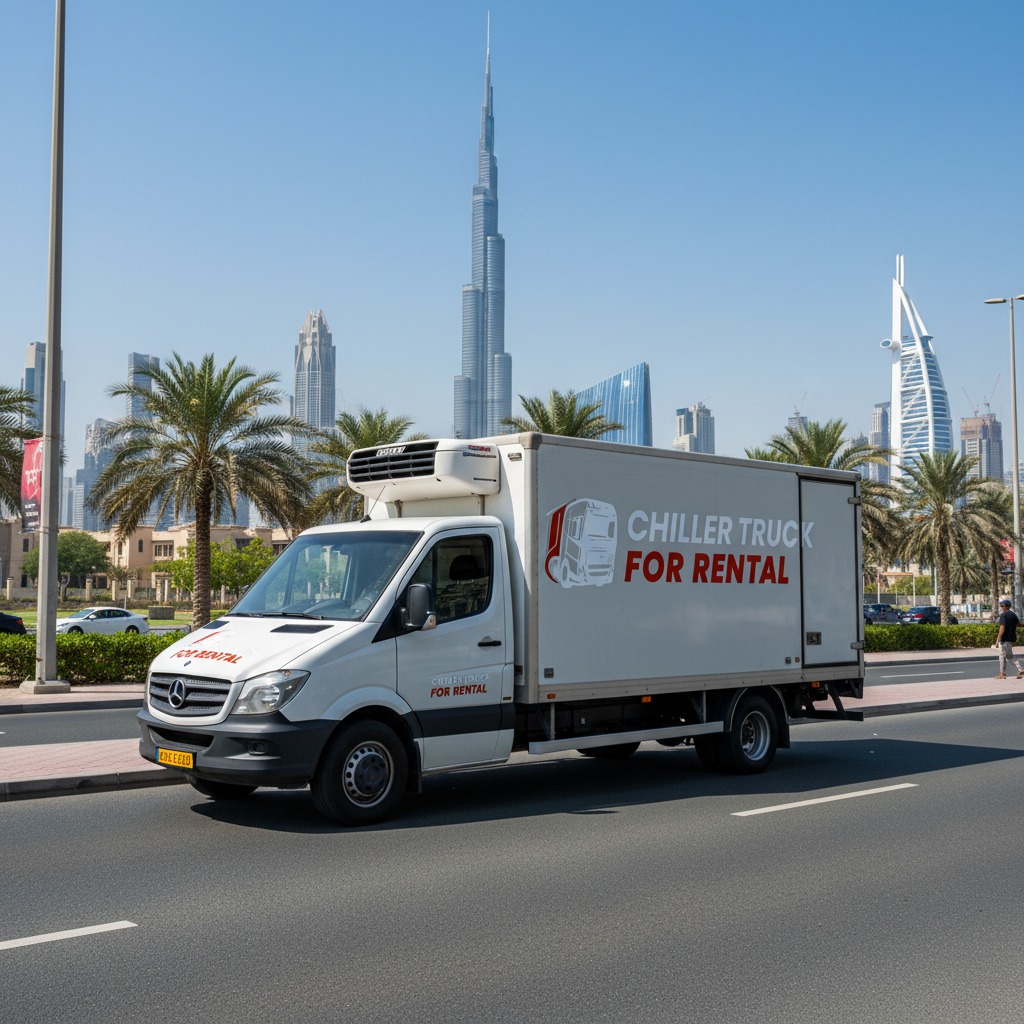
But what exactly is a chiller van, how does it work, and why does it matter so much in a place like the UAE where outdoor temperatures can soar above 45°C? This guide answers all of that, and more.
What Is a Chiller Van?
A chiller van is a purpose-built, temperature-controlled transport vehicle designed to carry perishable goods within a specific cool temperature range typically between 0°C and +5°C. Unlike a standard delivery van, a chiller van is equipped with an integrated refrigeration unit that actively maintains the internal cargo compartment at a set temperature throughout the journey, regardless of the outside heat.
The term “chiller” refers specifically to the cooling function keeping products chilled, not frozen. This distinction is important. Chiller vans are not freezer vehicles; they don’t take cargo below freezing point. Instead, they maintain that precise fresh-cold zone where perishables stay safe, fresh, and compliant with food safety regulations.
Chiller vans come in various sizes, from compact 1-ton chiller vans ideal for restaurant deliveries to larger 3-ton chiller vehicles used by supermarkets and food distributors. The cargo compartment is made from insulated panels typically polyurethane foam sandwiched between steel or fibreglass to minimise heat transfer and reduce the workload on the refrigeration unit.
How Does a Chiller Van Work?
Understanding the mechanics of a chiller van helps explain why they are so reliable for cold chain logistics. Here’s a step-by-step look at the core system:
1. The Refrigeration Unit
At the heart of every chiller vehicle is a refrigeration unit, usually mounted on the roof or front wall of the cargo box. This unit operates on the same thermodynamic principles as a household refrigerator or an air conditioning system using a refrigerant gas that cycles between compression and expansion to absorb and release heat.
2. The Compressor
The compressor pressurises the refrigerant, causing it to heat up. This hot, high-pressure refrigerant then moves to the condenser, where heat is released to the outside air. The refrigerant then becomes a cool liquid.
3. The Evaporator
Inside the cargo compartment, the cooled refrigerant flows through the evaporator coils. Here it expands, absorbs heat from the interior air, and keeps the cargo area at the desired chiller temperature. A fan circulates the cold air evenly throughout the compartment.
4. The Insulated Cargo Box
The cargo compartment’s insulated walls, floor, and roof play a critical role. High-density insulation panels prevent external heat from penetrating the space, meaning the refrigeration unit works efficiently even during peak UAE summer heat.
5. Temperature Monitoring
Modern chiller vans are fitted with digital temperature sensors and data loggers that continuously monitor the internal temperature. In professional fleets like ours, this data is accessible via GPS-connected systems, allowing real-time temperature tracking throughout the entire delivery route.
6. Power Source
The refrigeration unit is typically powered by the van’s engine via a belt-driven compressor, or by a separate diesel engine mounted on the unit. When the van is stationary or parked for loading and unloading, the unit continues to run to maintain the target temperature without interruption.
What Can a Chiller Van Transport?
The 0°C to +5°C operating range of a chiller vehicle makes it suitable for a wide variety of temperature-sensitive goods. Common cargo types include:
- Fresh dairy products milk, yoghurt, cheese, butter
- Bakery and confectionery items cakes, pastries, cream-filled products
- Fresh fruits and vegetables produce that requires cool (not frozen) storage
- Chilled meats and poultry fresh (not frozen) cuts for restaurants and supermarkets
- Beverages chilled juices, bottled water, and specialty drinks
- Flowers and plants particularly important for Dubai’s floristry sector
- Pharmaceuticals and medical supplies vaccines, serums, and certain medications
- Cosmetics and skincare products heat-sensitive formulas that require cool storage
This broad versatility is why chiller vans are found serving industries from food and beverage to healthcare and beauty across the UAE.
Chiller Van vs. Freezer Van: Key Differences
It’s common for people to use these terms interchangeably, but they refer to very different vehicles with distinct operating ranges:
| Feature | Chiller Van | Freezer Van |
| Temperature Range | 0°C to +5°C | -10°C to -18°C |
| Best For | Fresh, chilled goods | Frozen goods |
| Common Cargo | Dairy, fresh produce, pharma | Frozen meat, ice cream, seafood |
| Insulation Level | Standard cold insulation | Heavy-duty deep freeze insulation |
Choosing the wrong vehicle type can lead to product spoilage, regulatory non-compliance, and financial loss which is why it’s essential to work with a rental provider that clearly specifies vehicle capabilities.
Why Chiller Vans Are Critical in the UAE
The UAE’s extreme climate makes chiller vehicles not just useful, but absolutely essential. With summer temperatures regularly exceeding 40°C in Dubai, Abu Dhabi, and Sharjah, perishable goods left in an ordinary van would spoil within minutes. Even short delivery routes can compromise product quality without proper refrigeration.
Beyond temperature, the UAE has strict food safety and pharmaceutical transport regulations. Operators must comply with Dubai Municipality standards, HACCP guidelines, and ISO 22000:2018 food safety protocols. A properly maintained and certified chiller vehicle ensures that businesses meet these regulatory requirements, avoiding costly fines and product rejections.

For businesses in the UAE whether you’re running a restaurant, a pharmaceutical company, a catering business, or a supermarket chain the reliability of your cold chain directly impacts your reputation and your bottom line.
Choosing the Right Chiller Vehicle for Your Business
When selecting a chiller van rental service, there are several factors to consider:
Cargo volume and weight: A 1-ton chiller van is ideal for smaller, frequent deliveries, while a 3-ton chiller truck suits bulk distribution routes.
Temperature requirements: Confirm the vehicle can maintain the precise temperature your products require throughout the full journey duration.
Certification and compliance: Ensure the fleet is HACCP-compliant and certified under UAE food transport regulations.
Tracking capabilities: Real-time GPS and temperature monitoring protect both the product and the business from liability.
Flexibility of contract: Daily, weekly, and monthly rental options help businesses scale up or down based on seasonal demand without committing to vehicle ownership.
Final Thoughts
A chiller van is far more than just a cold truck it is a precision logistics tool that protects product integrity, ensures regulatory compliance, and keeps businesses running smoothly in one of the world’s most demanding climates. Understanding how these chiller vehicles work, what they carry, and why they differ from freezer vans helps businesses make smarter decisions about their cold chain logistics.
At Chiller Truck Rental, we have been operating ISO 22000:2018 and HACCP-certified chiller vans across Dubai, Abu Dhabi, Sharjah, Ajman, and the wider UAE since 2012. Whether you need a single chiller vehicle for a daily restaurant run or a dedicated fleet for large-scale pharmaceutical distribution, our team is ready to provide the right solution, at the right temperature, every time.
Call us at +971 559729888 or email Essatransport2022@gmail.com to get a custom quote today.
Chiller Truck Rental Dubai International City, Greece Cluster, Building K04, Shop 04